
Reading Time: 6 minutes | Who This Blog Is For: This article is for adults in Bountiful, West Bountiful, and nearby Davis County communities who are experiencing dizziness or balance issues and are curious about the connection between childhood falls and vertigo. If you’ve ever wondered whether old injuries from childhood could still be affecting your balance today — even decades later — this blog is written for you.
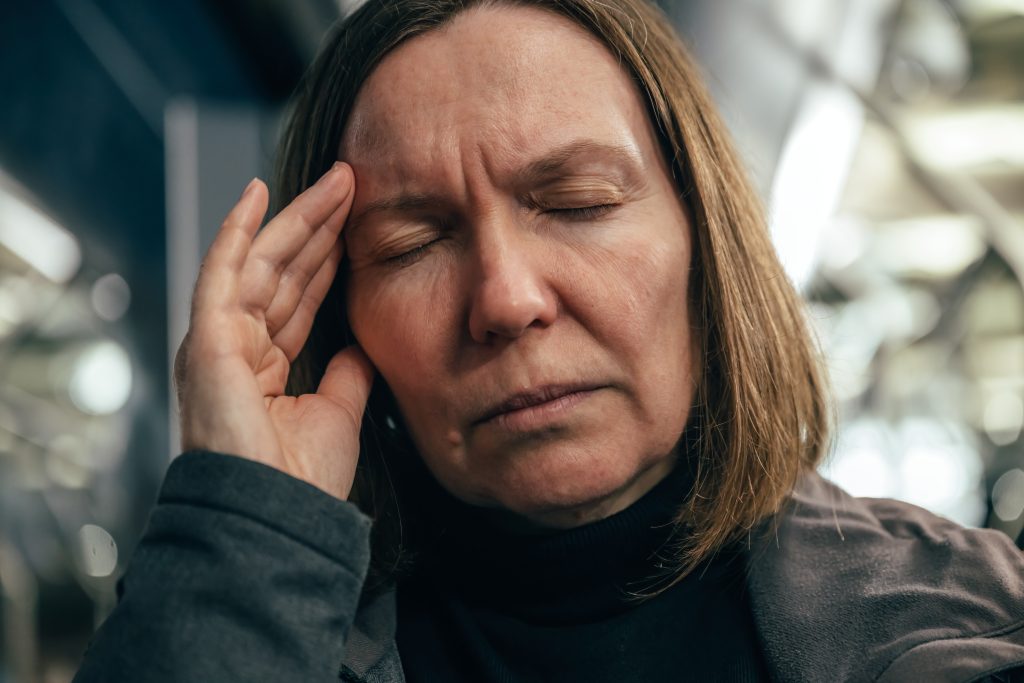
Have you ever turned your head and suddenly felt the room shift — even though you weren’t sick or injured? Do you ever feel unsteady getting out of bed, walking down stairs, or moving quickly, without knowing why? And have you ever wondered how vertigo could appear now, when you’ve gone most of your life without it?
For many adults in Bountiful, vertigo doesn’t arrive with a dramatic event. It shows up quietly — a brief spin here, a moment of imbalance there. At first, it’s easy to ignore. You brush it off, slow your movements, or assume it’s stress or fatigue.
But when dizziness keeps returning, the questions start to grow louder.
What many people don’t realize is that vertigo doesn’t always begin with something recent. In some cases, the roots go much farther back — to falls and injuries that happened in childhood, long before anyone thought they would matter.
Key Insights
- Vertigo doesn’t always start where we expect it to. – For many adults, balance issues are connected to how the body adapted to old injuries — not to something recent or obvious.
- Childhood falls often leave subtle patterns behind. – Even when there was no major injury at the time, the body may have compensated quietly for years.
- Delayed symptoms don’t mean imagined symptoms. – Vertigo appearing later in life is often the result of long-term strain finally becoming noticeable.
- The upper cervical spine plays a critical role in balance. – When alignment in this area is off, even slightly, the body’s sense of orientation can be affected.
- Clarity often brings relief before anything else changes. – Understanding why vertigo is happening can reduce fear, uncertainty, and self-doubt.
How Childhood Falls Can Affect Balance Later in Life
Most of us don’t think twice about the falls we had as kids. Falling off bikes, slipping on icy sidewalks, taking tumbles during sports or play—these moments were often brushed off with a quick “Are you okay?” before moving on.
But even when there were no broken bones or trips to the emergency room, those falls could still involve sudden impacts to the head and neck. At the time, the body adapted quickly. Kids are resilient, and symptoms rarely linger long enough to raise concern.
What’s often overlooked is that the upper cervical spine—the top of the neck—can be affected by these early impacts. When alignment or balance in this area changes, the body compensates in subtle ways to stay upright and functional. Those compensations can last for years without causing obvious problems.
Later in adulthood, however, the body’s ability to compensate may change. Stress, aging, or additional strain can make those old adaptations less effective. This is one reason the connection between childhood falls and vertigo is being looked at more closely today.
Why Vertigo May Appear Decades After an Injury
Vertigo doesn’t always follow a straight timeline. It’s common for adults in Bountiful to ask, “Why now?” when dizziness appears seemingly out of nowhere.
The upper cervical spine plays a critical role in balance and spatial awareness. It helps the brain understand where the head is positioned and how the body is moving through space. When this area has been under long-term strain—even from injuries that happened years ago—the balance system may become less stable over time.
This delayed response is why vertigo can appear decades after a childhood fall. The issue isn’t that the injury suddenly reappeared; it’s that the body’s ability to adapt has shifted.
Understanding this timeline can be reassuring. It explains why vertigo doesn’t always need a recent cause to be very real.
Why This Connection Is Often Missed in Adults
When adults describe vertigo, conversations usually focus on recent events—illness, stress, or current injuries. Childhood history rarely comes up, simply because it doesn’t seem relevant at first.
As a result, many people quietly adjust their routines. They move more carefully. Avoid certain head positions. Plan their day around not feeling dizzy. Over time, this becomes the new normal.
It’s often only after repeated episodes that people begin searching for a Bountiful chiropractor for vertigo—someone who looks beyond recent triggers and considers the full history of the spine, including early injuries.
A NUCCA Perspective on Vertigo and Old Injuries
NUCCA care focuses specifically on the alignment and balance of the upper cervical spine. It uses detailed imaging and precise, gentle corrections designed to support how the body naturally holds alignment.
For adults experiencing vertigo linked to old injuries, this approach can feel reassuring. It’s not about forcing change. It’s about carefully evaluating whether the upper cervical spine is contributing to ongoing balance issues.
At Bountiful Spinal Care, patients often seek care because they want answers—not quick fixes. Working with a NUCCA chiropractor in Bountiful allows for a thoughtful look at how early injuries may still be influencing balance today.
Why Local Care Matters in Bountiful
Living in Bountiful and West Bountiful means staying active—whether that’s walking the neighborhood, working, caring for family, or simply wanting to move through daily life without hesitation.
If vertigo has made you feel cautious or unsure, working with a vertigo chiropractor in Bountiful UT who understands both the condition and the community can make a meaningful difference. Local care means time to listen, explain, and evaluate without rushing.
It also means working with someone who understands how much steady balance matters to quality of life here.
When You’re Ready to Look Beyond the Present
If vertigo has left you wondering why your body feels unsteady—and whether something from long ago could still be affecting you—you’re not overthinking it.
Old injuries don’t disappear just because time passes. Sometimes, they simply wait until the body is ready to tell a different story.
If you’re ready to explore whether childhood falls could be contributing to your vertigo, a consultation at Bountiful Spinal Care can help you gain clarity and decide what feels right for you.
Understanding your history may be the first step toward feeling steady again.
FAQs for Adults Experiencing Vertigo in Bountiful
Why would something that happened in childhood affect me now?
The body is excellent at adapting — especially when we’re young. Those adaptations can last for decades. Over time, changes in stress, posture, or overall resilience may make old compensations harder to maintain, allowing symptoms like vertigo to surface.
Is it normal to feel unsure or cautious when vertigo starts?
Yes. Many people quietly change how they move, drive, or go about their day. That hesitation is a natural response to feeling unsteady — not something to ignore or minimize.
What if I don’t remember a specific fall?
That’s very common. Many childhood falls weren’t dramatic or memorable. What matters isn’t recalling a single moment, but understanding how repeated impacts may have affected the upper neck over time.
How is NUCCA chiropractic different from general approaches?
NUCCA focuses specifically on the alignment and balance of the upper cervical spine using precise imaging and gentle corrections. Many people seeking a NUCCA chiropractor in Bountiful appreciate the careful, individualized nature of this approach.
When should I consider seeing a chiropractor for vertigo?
Often, it’s when vertigo keeps returning and no clear explanation has been given. If you’ve started searching for a Bountiful chiropractor for vertigo, that curiosity is usually a sign it’s time to explore answers more deeply.
What should I expect from a first consultation?
You should expect time, listening, and explanation. A consultation is about understanding your history and whether this approach makes sense for you — not pressure to commit to care.
To schedule a consultation with Dr. Grover, call our West Bountiful office at 801-335-7288. You can also click the button below. If you are outside of the local area, you can find an Upper Cervical Doctor near you at www.uppercervicalawareness.com.
About the Author